

Birding in Southeast Louisiana:

Updated: Aug 21
Discover the Birds Beyond New Orleans
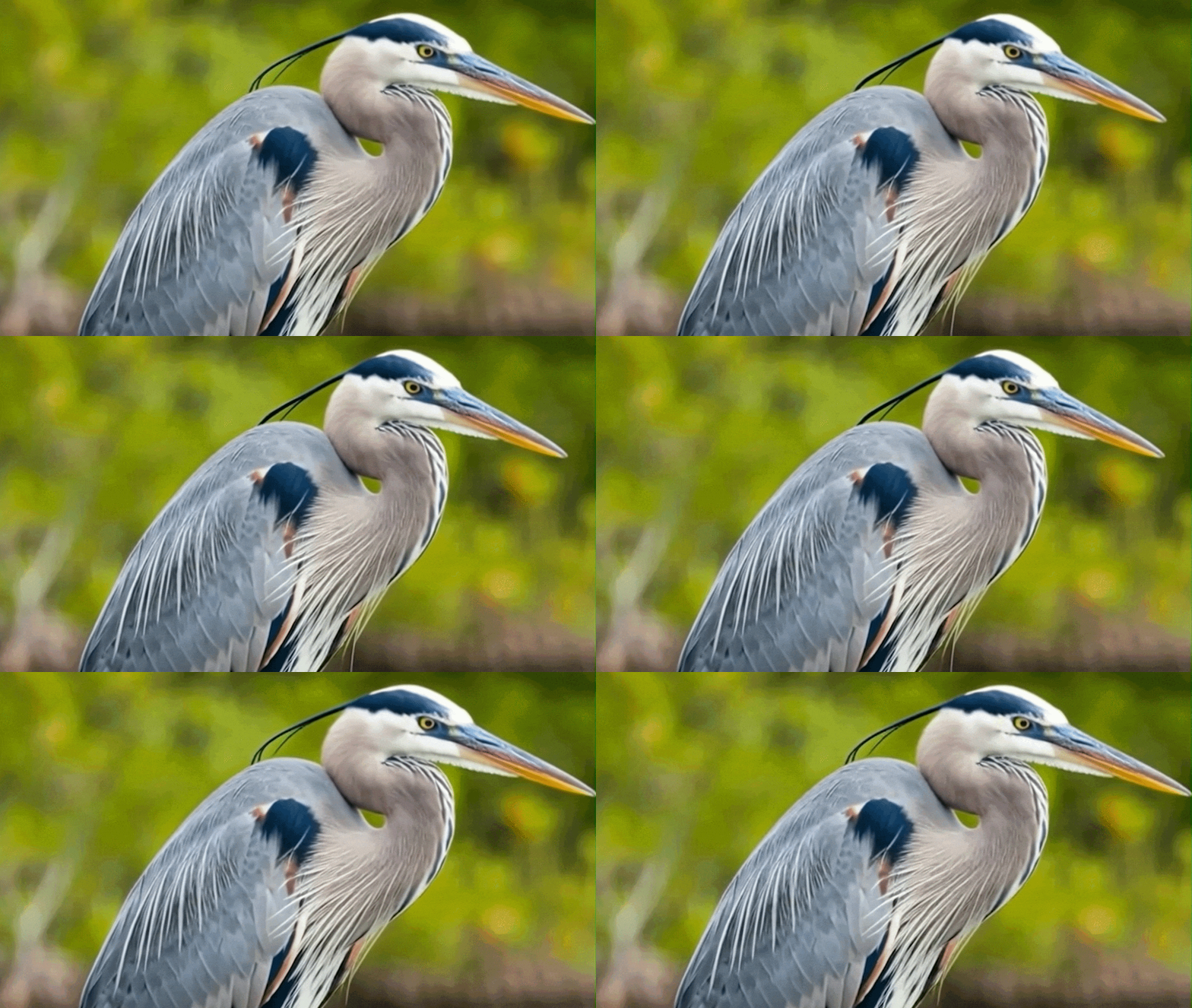
If you’re looking for birding near New Orleans, Southeast Louisiana offers an incredible mix of wetlands, bayous, marshes, and coastal habitats. This guide explains when to go, what birds you may see, and what makes Louisiana’s wetlands so important to migrating birds.
Whether you’re a serious birder, wildlife photographer, nature lover, or simply curious, you don’t have to travel far from New Orleans to experience Louisiana’s wild side.
The payoff: Leave the city behind, explore the wetlands by water, and discover birds you may have never seen before.
Table of Contents
Why Birding in Southeast Louisiana Is Special
New Orleans is surrounded by a remarkable network of marshes, bayous, wetlands, coastal forests, waterways, and other wildlife habitats.
These environments provide food, shelter, and resting areas for birds throughout the year.
During migration, things become even more exciting.
Birds traveling thousands of miles need places to stop, rest, and feed. Southeast Louisiana provides important habitat along these journeys, making the region a great destination for birders and wildlife photographers.
Fall migration can begin as early as June and continue into the winter months, depending on the species and conditions.
Key takeaway: You don't have to leave the New Orleans area to experience world-class wildlife habitat.
When Is the Best Time to Go Birding?
Birding can be rewarding throughout the year, but migration brings an extra level of excitement.
Weather, water levels, food availability, and migration patterns can all influence what you see on a particular day.
You might spend one morning looking for a specific species and discover something completely unexpected.
That unpredictability is part of the fun.
A Quick Birding Tip
Don't focus only on the sky.
Look along marsh edges, shorelines, trees, mudflats, grasses, and open water. Birds use different parts of the habitat for feeding, resting, and nesting.
Birding isn't always about finding the rarest bird. Sometimes it's about seeing familiar Louisiana wildlife in a completely different setting.
What Birds Can You See?
Southeast Louisiana offers opportunities to see a wide variety of birds.
Depending on the season, location, weather, and habitat, you may encounter:
Roseate Spoonbills
Herons
Egrets
Ibis
Pelicans
Shorebirds
Waterfowl
Raptors
Migrating warblers
Other migrating songbirds
And occasionally something unexpected, such as a Cinnamon Teal
For photographers, the variety of habitats creates opportunities for everything from close-up wildlife photography to wide landscape shots showing birds within the Louisiana wetlands.
And that's the real goal: not simply checking a bird off a list but experiencing something wild and unexpected.
Why Birding the Wetlands Can Be Challenging
The best birding locations aren't always the easiest places to reach.
Southeast Louisiana is a massive and complicated ecosystem. Knowing where to look, when to go, how weather affects wildlife, and how to reach productive habitat can make a major difference.
A quiet morning can turn into an incredible wildlife experience when conditions line up.
And some of the best places are far removed from the busy streets and traditional tourist routes.
If you're also interested in Louisiana wildlife...
Consider exploring the region's wetlands from the water. A boat gives you a different perspective and allows you to experience marshes, bayous, and wildlife habitat that you simply can't experience from a city sidewalk.
The Experience: Leave the Crowds Behind
One of the most rewarding parts of birding near New Orleans is watching the landscape change as you leave the city.
Buildings begin to disappear.
Marsh grasses replace pavement.
Open water stretches toward the horizon.
Bayous wind through the wetlands.
Then something changes.
Everyone gets quiet.
Binoculars come out.
Cameras are ready.
You're looking toward the shoreline.
Where are the birds?
That's when the adventure really begins.
Slow Down and Look Closer
Birding rewards patience.
Instead of rushing from one attraction to another, you slow down and pay attention to what is happening around you.
We watch the:
Shorelines
Marsh edges
Trees and vegetation
Open water
Mudflats
Sky
Depending on the season and conditions, you may encounter wading birds, waterfowl, shorebirds, raptors, pelicans, spoonbills, and migrating songbirds.
Then it happens.
A bird appears.
Maybe it's the species you've been hoping to find.
Maybe it's something you've never seen before.
That moment is what makes birding so addictive.
Why Louisiana's Wetlands Matter
The experience becomes even more meaningful when you understand the bigger story.
Migratory birds depend on a connected chain of habitats throughout their annual journeys. Wetlands provide important places for birds to rest and feed along the way.
That means what happens here can matter far beyond Louisiana.
Birds connect the story of our wetlands to coastal restoration, fisheries, water quality, wildlife, and coastal communities.
When you see the wetlands from the water, you begin to understand that this isn't simply empty marsh.
It's a living ecosystem.
Quick thought: The bird you're watching today may have traveled hundreds or thousands of miles to get here.
Your Local Birding Experience
That's where Beyond The French Quarter fits into the experience.
The goal isn't simply to take guests somewhere and hope they see wildlife.
It's about getting into the habitat and helping you understand what you're seeing.
From the water, you can experience a side of Southeast Louisiana that many visitors never see.
You'll have the opportunity to slow down, explore, watch wildlife, take photographs, and learn more about the wetlands surrounding New Orleans.
You came looking for birds. You may leave with a deeper connection to Louisiana.
Frequently Asked Questions
Where can I go birding near New Orleans?
The greater New Orleans region is surrounded by wetlands, marshes, bayous, and coastal habitats that provide opportunities for birdwatching. Exploring these areas by boat can provide access to a different perspective of the ecosystem.
What birds can I see in Southeast Louisiana?
Depending on the season and conditions, you may see roseate spoonbills, herons, egrets, ibis, pelicans, shorebirds, waterfowl, raptors, warblers, and other migrating birds.
Is fall a good time for birding in Louisiana?
Yes. Fall migration can provide excellent birding opportunities, with migrating species using Louisiana's wetlands and coastal habitats as places to rest and feed during their journeys.
Do I need to be an experienced birder?
Not at all.
You don't need to know every bird by name to enjoy the experience. Bring your curiosity, binoculars if you have them, and a willingness to slow down and look around.
Is birding good for photographers?
Absolutely. The combination of wildlife, open water, marshes, changing light, and Louisiana's unique landscape creates plenty of opportunities for wildlife and nature photography.
Plan Your Southeast Louisiana Adventure
If you're visiting New Orleans and want to experience more than the French Quarter, consider adding a wetland adventure to your itinerary.
Explore beyond the city.
Birding & Wildlife Experiences — Search for Louisiana's incredible birdlife while exploring the wetlands.
Bayou & Wetland Tours — Experience the marshes and waterways surrounding New Orleans.
Sunset Cruises — See the Louisiana landscape during one of the most beautiful times of day.
Coastal & Eco Experiences — Learn more about the wetlands, wildlife, and changing Louisiana coast.
More New Orleans Outdoor Adventures — Discover experiences beyond Bourbon Street.
Go- Beyond the French Quarter
You came to New Orleans for the culture, food, music, and history. But there's another side of the city waiting just beyond the pavement.
Find the birds. Explore the wetlands. Slow down. Get on the water. Experience the wild side of Southeast Louisiana. At BeyondTheFrenchQuarter.com we believe the best travel experiences don't just entertain you. They connect you to the place you're visiting.
Come see Louisiana differently.
Captain Pipp~


Comments